EV Technology Briefing — compiled and curated by Chris Lee
A 30,000 rpm e-drive, battery durability rules and 300 mm silicon carbide wafers lead the week
Week of November 3 – November 10, 2026
Six stories this week. ZF pushes motor speed to cut magnets, and Britain writes battery durability into its Euro 7 adoption. Ford publishes pack-health data from 36,000 vehicles, and BMW confirms LFP is coming to the Neue Klasse. Infineon reports a 300 mm silicon carbide milestone, and a German supplier launches a megawatt-charging controller. Almost every performance number here is company-supplied, and each story says so.
Drivetrains
ZF shows a 30,000 rpm e-drive that aims to halve the magnet content
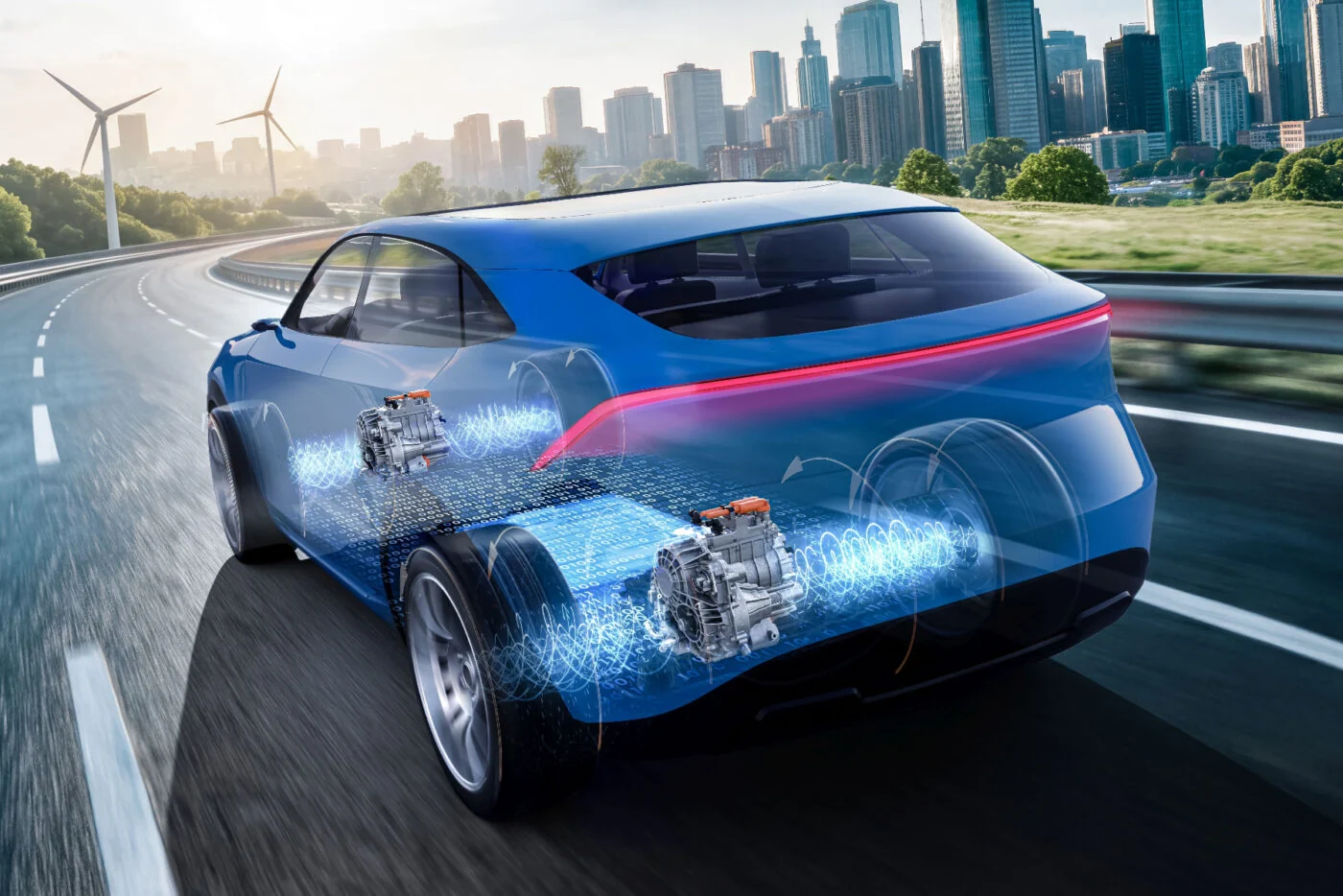
ZF High Revolution Drive. Credit: ZF, via electrive
ZF has developed what it calls the High Revolution Drive, a compact electric drive that spins up to 30,000 rpm. electrive reported it on November 6. ZF's figures are 200 kW of peak power and 3,500 Nm of peak torque at the wheel. The unit combines the e-machine, inverter and transmission in one housing. It supports both 400 V and 800 V systems.
Speed is the lever. A two-stage spur gear with a ratio of about 18:1 brings the rotor speed down to the wheels. Power is torque times speed, so a faster rotor can deliver the same power with less torque and less active material. ZF compares the new drive with its SELECT drive, which tops out at 18,000 rpm. At the same 200 kW, ZF says the new unit needs about 25 percent less installation space and weighs about 25 percent less. Its stated goal is to cut the magnet requirement by 50 percent. That is a target, not a measured result.
The gaps matter. ZF gives no efficiency figure. It says only that efficiency is at the level of the comparison drive. The drive is in a pre-series phase, with series production targeted for 2030. ZF says it is talking to several automakers and names none. The focus is the volume segment of roughly 150 to 200 kW, though the design is scalable. electrive notes that ZF decided in spring 2026 to keep e-motor and inverter production in-house after a make-or-buy review.
Great Britain adopts Euro 7, with minimum battery durability built in
Stock editorial image of a BYD Tang, not tied to the rule. Credit: Adobe Stock, via Charged EVs
The UK Department for Transport has confirmed that Great Britain will adopt Euro 7, Charged EVs reported on November 6. There is no separate GB approval. EU and UNECE type approvals apply, so a model can be sold in both markets without extra testing.
The EV-relevant part is a minimum for battery durability. For passenger-car BEVs and PHEVs, the battery must keep at least 80 percent of its original capacity after 5 years or 100,000 km. It must keep 72 percent after 8 years or 160,000 km. Cars also need a standardized onboard state-of-health monitor, so the number can be read and checked.
The rules apply to new passenger cars and light commercial vehicles from November 2027. Trucks and buses are phased in, and makers building fewer than 2,500 vehicles a year get later timing. Every vehicle must comply by July 1, 2030. Euro 7 also covers brake particulates and phased tire-wear limits. Existing vehicles are not affected, and ULEZ rules stay as they are for now.
One caveat on sourcing. Charged EVs credits the Department for Transport but links only the department's landing page. I could not find the specific DfT document, so these details rest on the Charged EVs account.
Ford says its EV packs average over 90 percent health after 100,000 miles
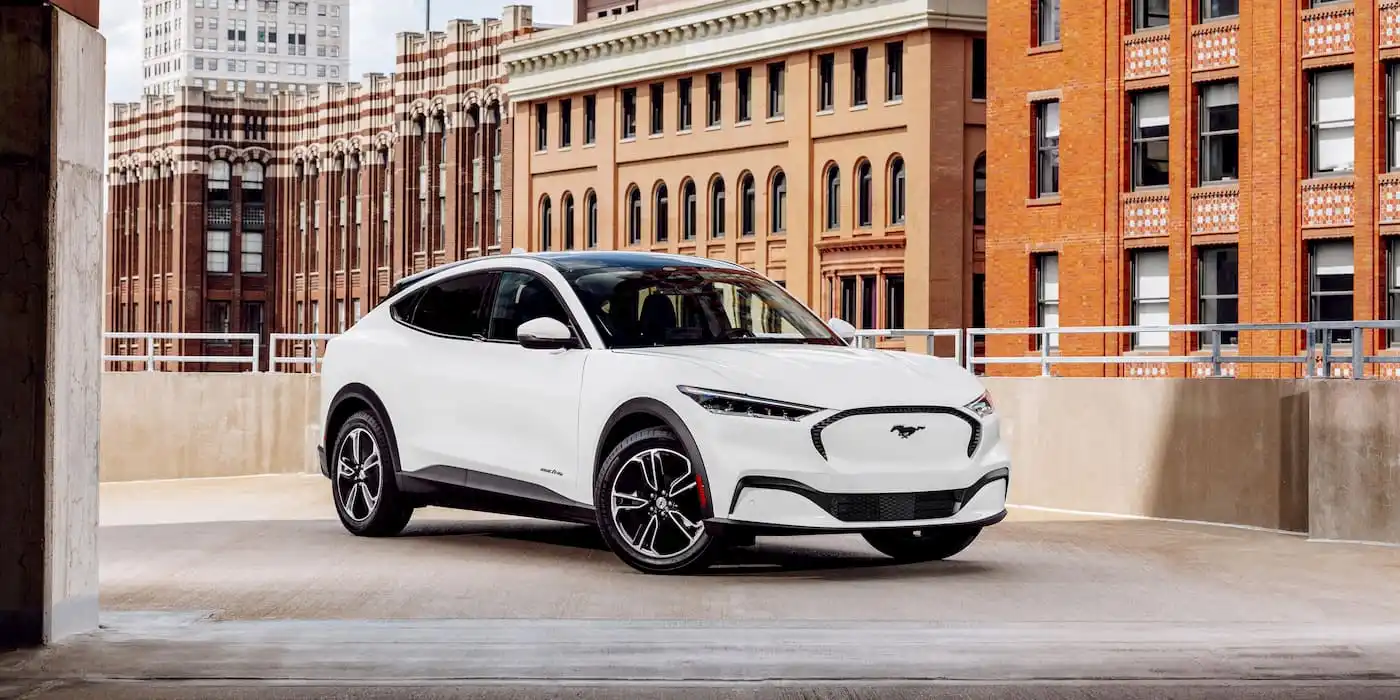
Ford EV battery health graphic. Credit: Electrek (no photographer credit shown)
Electrek reported on November 9 that Ford's EV batteries retain more than 90 percent health after 100,000 miles. The data covers more than 36,000 vehicles and two billion miles in the US and Canada. The Mustang Mach-E averages 92 percent health over five years. Across the lineup, which includes the F-150 Lightning and E-Transit, Ford says packs average above 90 percent at 100,000 miles.
The spread is narrow. Ford says 95 percent of vehicles fall between 87 and 97 percent health. Among 2021 model-year owners, more than 2,000 vehicles have passed 100,000 miles, averaging above 91 percent. More than 30 have passed 200,000 miles, averaging 88 percent.
This is manufacturer data. The article links no Ford report, so the method behind the health figure is not something I could check. A fleet average also hides how the numbers split across climates, charging habits and pack chemistries. Still, a six-figure-mile sample at this size is rare in public, and the 200,000-mile group, small as it is, points to slow late-life decline.
BMW will add LFP cells to the Neue Klasse, selectively
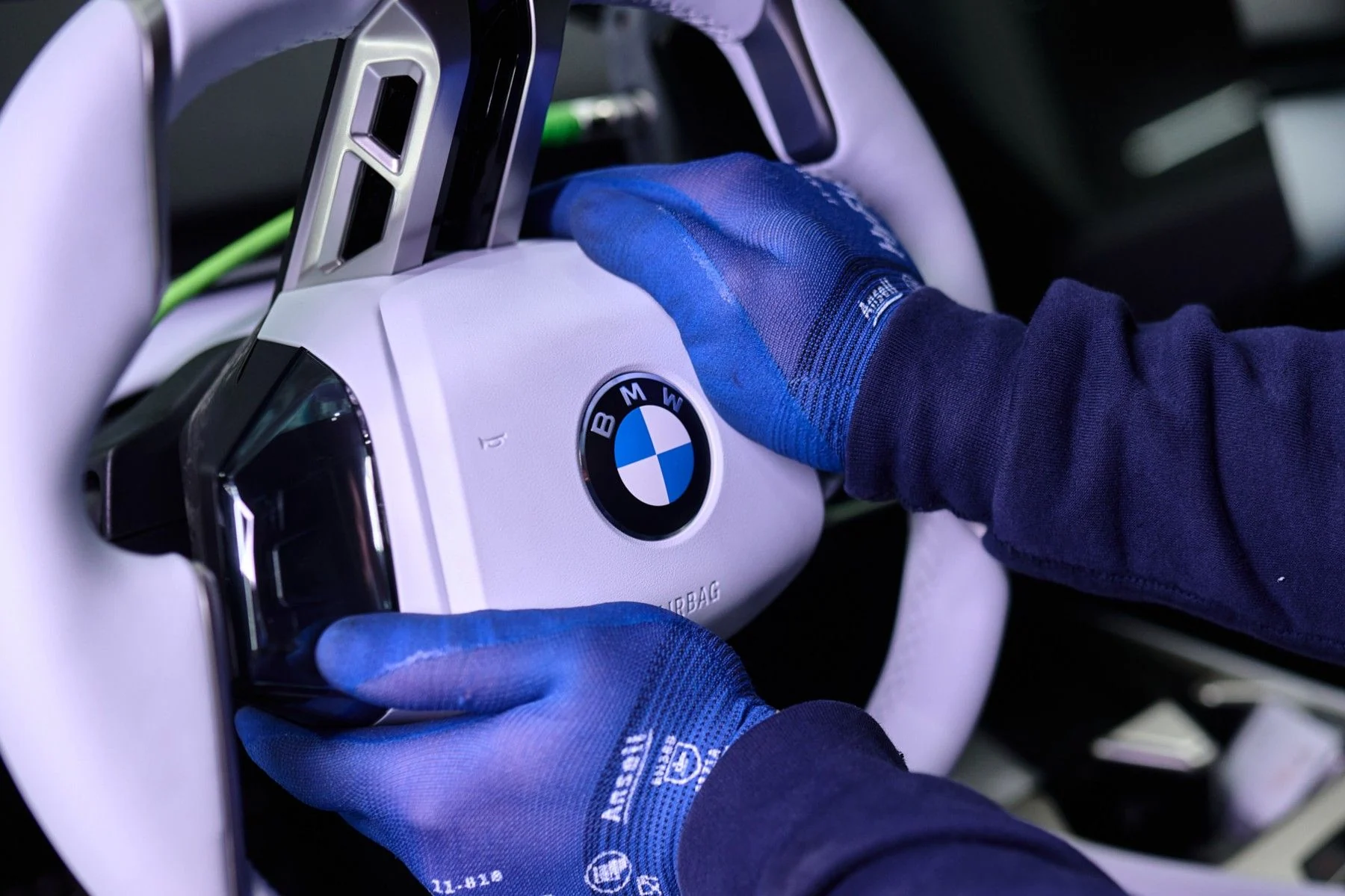
BMW i3 (Neue Klasse) production. Credit: BMW, via electrive
BMW CEO Milan Nedeljković confirmed on the Q3 results call that lithium iron phosphate (LFP) cells will be added to Neue Klasse EVs, electrive reported on November 9. The use will be selective. The China-market iX3 30L already runs on LFP. The 40L and 50L versions keep NMC. BMW gave no timing for a first LFP Neue Klasse model in Europe.
The NMC side of the pack is the bigger engineering story. Both Neue Klasse series use 46 mm large-format round NMC cells for the first time. BMW claims about 20 percent more energy density than its prismatic NMC cells. The packs use cell-to-pack integration with a pack-to-open-body design, under the name Gen6 Battery, on an 800 V architecture. electrive puts the i3's range at up to 912 km, about 100 km more than the iX3.
The sensible read is a two-chemistry strategy. NMC carries range and energy density, and LFP is the cheaper, more durable option where range matters less. BMW has not said which markets or trims get LFP in Europe, so that remains open. The energy-density and range figures are BMW's own.
Infineon says it has made working power devices on 300 mm silicon carbide wafers
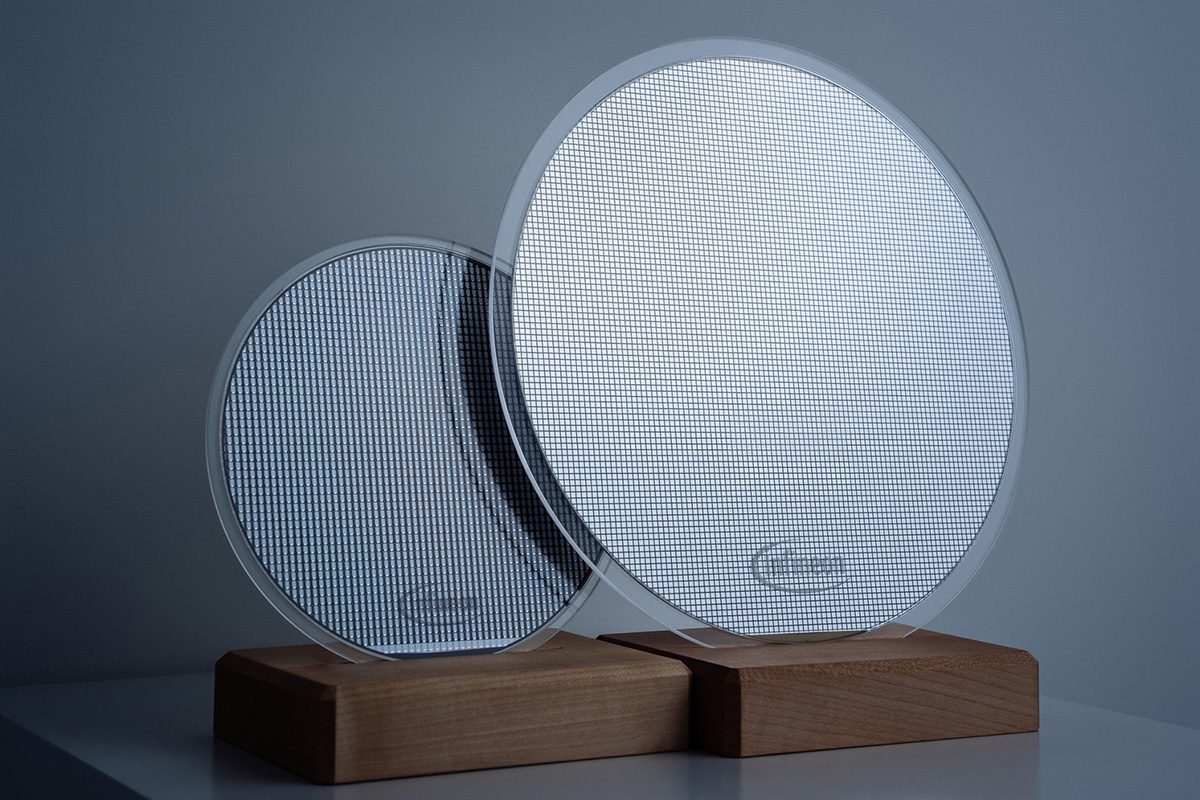
300 mm and 200 mm silicon carbide wafers. Credit: Charged EVs (no photo credit shown on the page; likely Infineon)
Charged EVs reported on November 9 that Infineon has processed 300 mm silicon carbide (SiC) wafers into functional power devices. Infineon's own press release headline calls it the world's first 300 mm power SiC wafer. The processing took place at Villach, Austria, on existing silicon equipment. Infineon says it is a first in a full-scale fab.
The case for the larger wafer is yield. Infineon states that a 300 mm wafer produces 2.3 times as many chips as a 200 mm wafer. SiC devices sit in the inverters of 800 V drivetrains, and wafer cost has been one of the limits on how fast they spread. Infineon also demonstrated its Cold Split process on 300 mm SiC at Dresden.
Context from the same report: Infineon announced a roughly 1.1 billion euro 300 mm gallium nitride fab on October 27. What the report does not give is volume, yield, or a date when 300 mm SiC devices reach customers. I could not read the body of the press release, so those details may exist there. Treat this as a process milestone, not a production start.
Chargebyte's megawatt-charging controller adds a second processor to watch safety
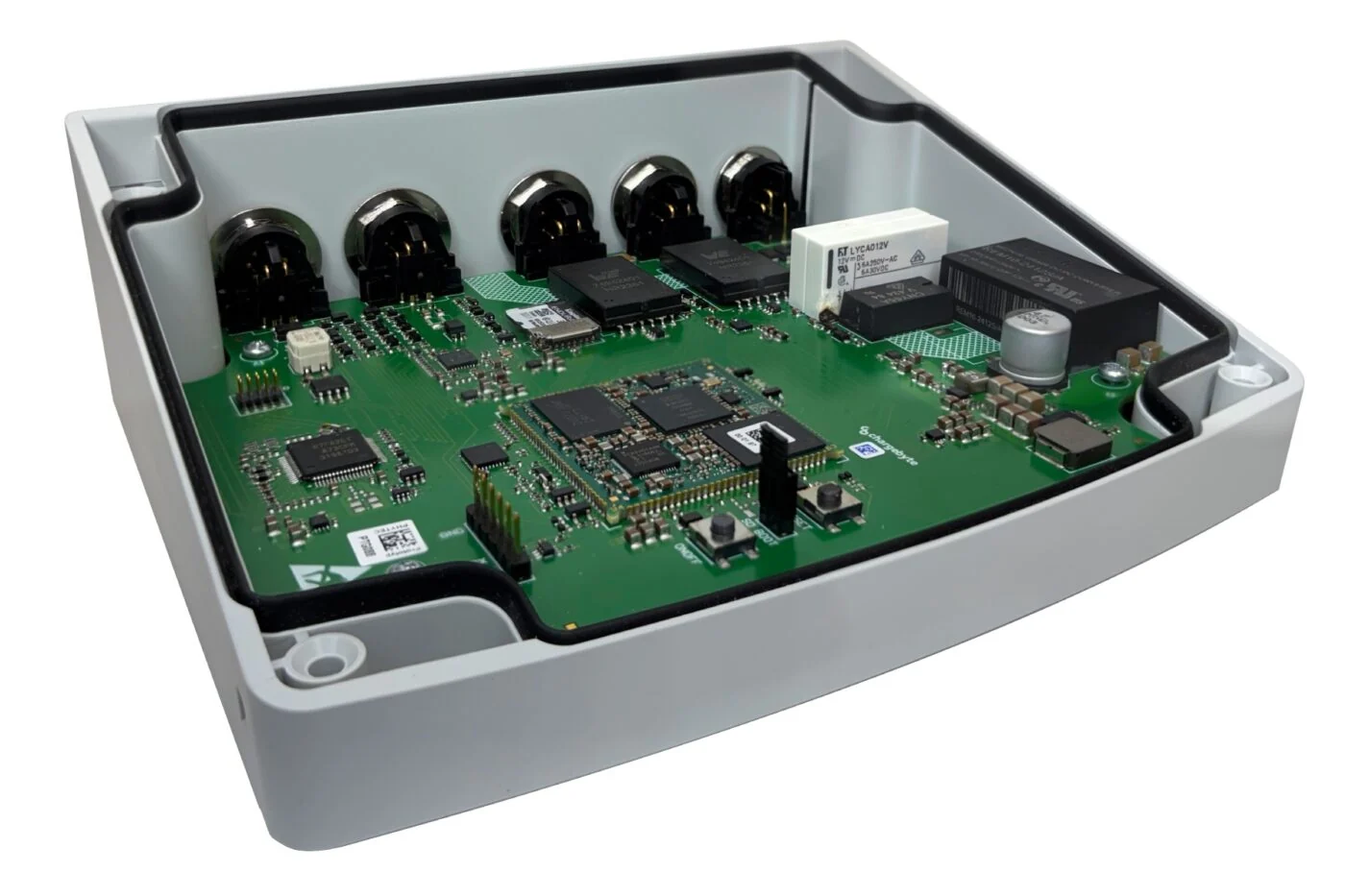
Chargebyte Charge Control Y. Credit: Chargebyte, via electrive
Chargebyte, based in Leipzig, launched the Charge Control Y (CCY) on November 9, a controller for megawatt charging of heavy-duty vehicles. electrive reported it. It targets truck depots, logistics centers, ports and motorway service areas, and it fits new stations or retrofits.
The design splits the work in two. A primary computer handles normal charging and communication. A secondary safety-monitor processor watches emergency shutdowns and up to four temperature sensors, covering the cooling system, the charging plug and the power electronics. If it sees an overheating risk, it cuts charging power or shuts the station down. Safety monitoring is rated SIL 1 under IEC 61508, and a TPM hardware chip guards against cyberattack.
The hardware is built for outdoor use. Vehicle-side interfaces have reinforced galvanic isolation under IEC 60664-1 and withstand overvoltages up to 1,500 V DC and rated impulse voltages up to 4 kV. The housing is IP65, rated for -40 to +70 °C and up to 95 percent humidity. Software supports ISO 15118-20 with Plug & Charge and runs on the open-source EVerest stack, with remote updates. It is available now.
electrive's source line reads "information provided via email," so these specifications come from the company. No independent test is cited.
ZF shows a 30,000 rpm e-drive that aims to halve the magnet content
Articles: electrive, November 6, 2026 ·
Primary: ZF press release (press.zf.com), as linked by electrive ·
Image: image (ZF, via electrive. Manufacturer photo.)
Great Britain adopts Euro 7, with minimum battery durability built in
Articles: Charged EVs, November 6, 2026 ·
Primary: UK Department for Transport, as cited by Charged EVs (only the department landing page is linked; no specific document found) ·
Image: image (Adobe Stock (editorial use), via Charged EVs. Stock photo from December 2023; the page shows no explicit credit line, the credit is inferred from the file name.)
Ford says its EV packs average over 90 percent health after 100,000 miles
Articles: Electrek, November 9, 2026 ·
Primary: Ford (company data; no report or press release URL linked by Electrek) ·
Image: image (Electrek. The article page shows no photographer credit for this image.)
BMW will add LFP cells to the Neue Klasse, selectively
Articles: electrive, November 9, 2026 ·
Primary: BMW Q3 2026 results telephone conference, as cited by electrive (electrive also cites bmwblog.com) ·
Image: image (BMW, via electrive. Manufacturer photo.)
Infineon says it has made working power devices on 300 mm silicon carbide wafers
Articles: Charged EVs, November 9, 2026 ·
Primary: Infineon press release (infineon.com); the page body could not be read, so only its headline is confirmed ·
Image: image (Charged EVs. The page shows no photo credit; the image is likely supplied by Infineon.)
Chargebyte's megawatt-charging controller adds a second processor to watch safety
Articles: electrive, November 9, 2026 ·
Primary: Chargebyte (company information supplied to electrive by email; no primary link) ·
Image: image (Chargebyte, via electrive. Manufacturer photo.)
Get the Electric Vehicle Technology Briefing by email