EV Technology Briefing — compiled and curated by Chris Lee
US fast charging enters ‘Charging 2.0,’ Bosch makes silicon carbide in America, and a heavy-duty e-drive goes to production
Week of July 9–15, 2026
Three stories on the hardware layer under the EV market. The US fast-charging network crossed into faster, more reliable ‘Charging 2.0’ territory. Bosch began making silicon-carbide power chips on US soil. And a Voith spinout put a heavy-duty electric drive into series production.
Charging & Infrastructure
US public DC fast charging enters ‘Charging 2.0,’ with 250 kW now the baseline
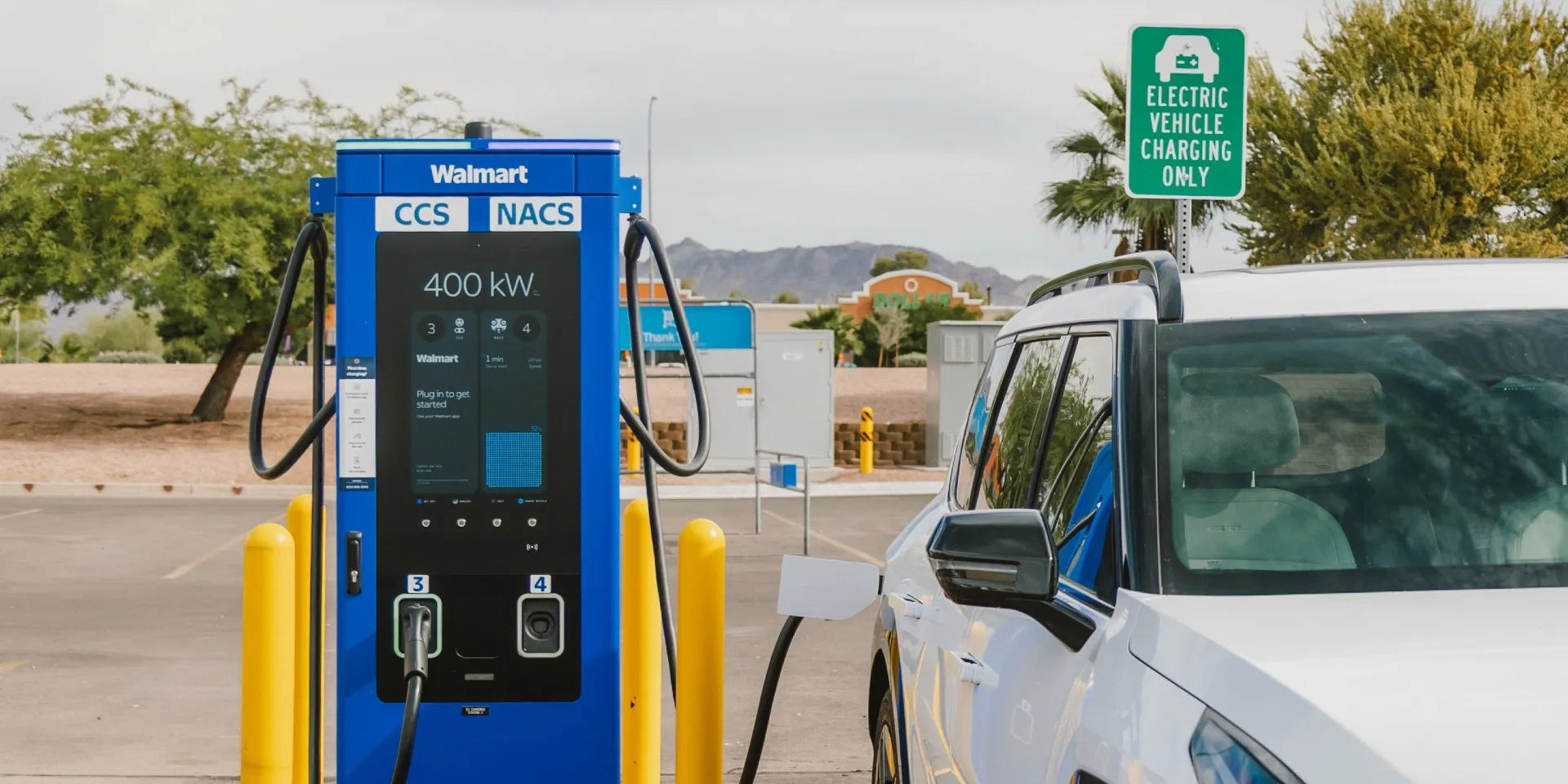
72% of newly installed US fast-charging ports now deliver at least 250 kW. Credit: ABB E-mobility, via Electrek.
US operators added 4,382 public DC fast-charging ports in the second quarter of 2026, about 10% fewer than the 4,865 added a year earlier. Even as raw growth slowed, the hardware got faster. 72% of newly installed ports now deliver at least 250 kW, and only 14% come in under 150 kW, a shift Electrek calls “Charging 2.0.”
Tesla accounted for 1,185 of the new ports, roughly 27% of the quarter, and averaged 12.1 ports per station against 4.4 for other networks, followed by Walmart, ChargePoint, and Red E. Average fast-charging reliability edged up to 93.8% from 93.6% in Q1. Despite about 3.5 million more charging sessions year over year, sessions per port and overall utilization stayed roughly flat, so capacity is keeping pace with the fleet.
Average state-level pricing held at $0.538 per kWh, from $0.428 in Nebraska to $0.856 in Hawaii, and newer providers are installing CCS and NACS connectors in roughly equal numbers.
Bosch starts silicon-carbide chip production at its first US fab, in Roseville
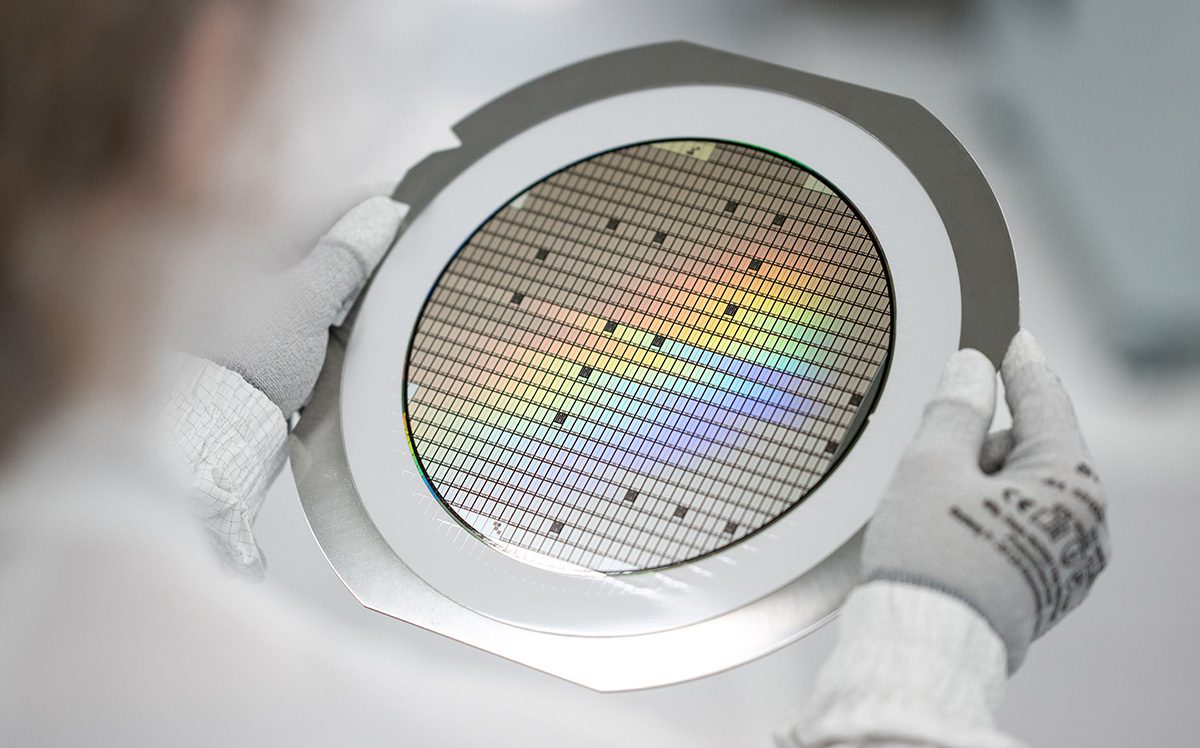
Bosch began SiC sample production at its converted Roseville, California fab, its first US semiconductor plant. Credit: Bosch.
Bosch began sample production of silicon-carbide (SiC) power chips at a converted wafer fab in Roseville, California, its first semiconductor plant in the United States. The company bought the former TSI Semiconductors site in 2023 and is spending up to $2 billion to retool it, backed by a $225 million agreement with the US Department of Commerce under the CHIPS program. Commercial output on 200 mm wafers is slated for later in 2026.
SiC devices switch faster and run cooler than conventional silicon, which cuts losses in EV traction inverters and DC fast chargers and makes 800-volt vehicle architectures practical. Bosch says its third-generation SiC chips offer up to 20% higher performance than the prior generation while using less die area, and that it has shipped more than 60 million SiC chips since 2021.
The plant employs over 300 people and gives Bosch a domestic source for a part whose production has been concentrated among a few suppliers. It anchors a broader plan to invest up to $7.5 billion across Bosch’s US operations through 2031.
Driventic puts its VEDS 1.5 heavy-duty electric drive into series production
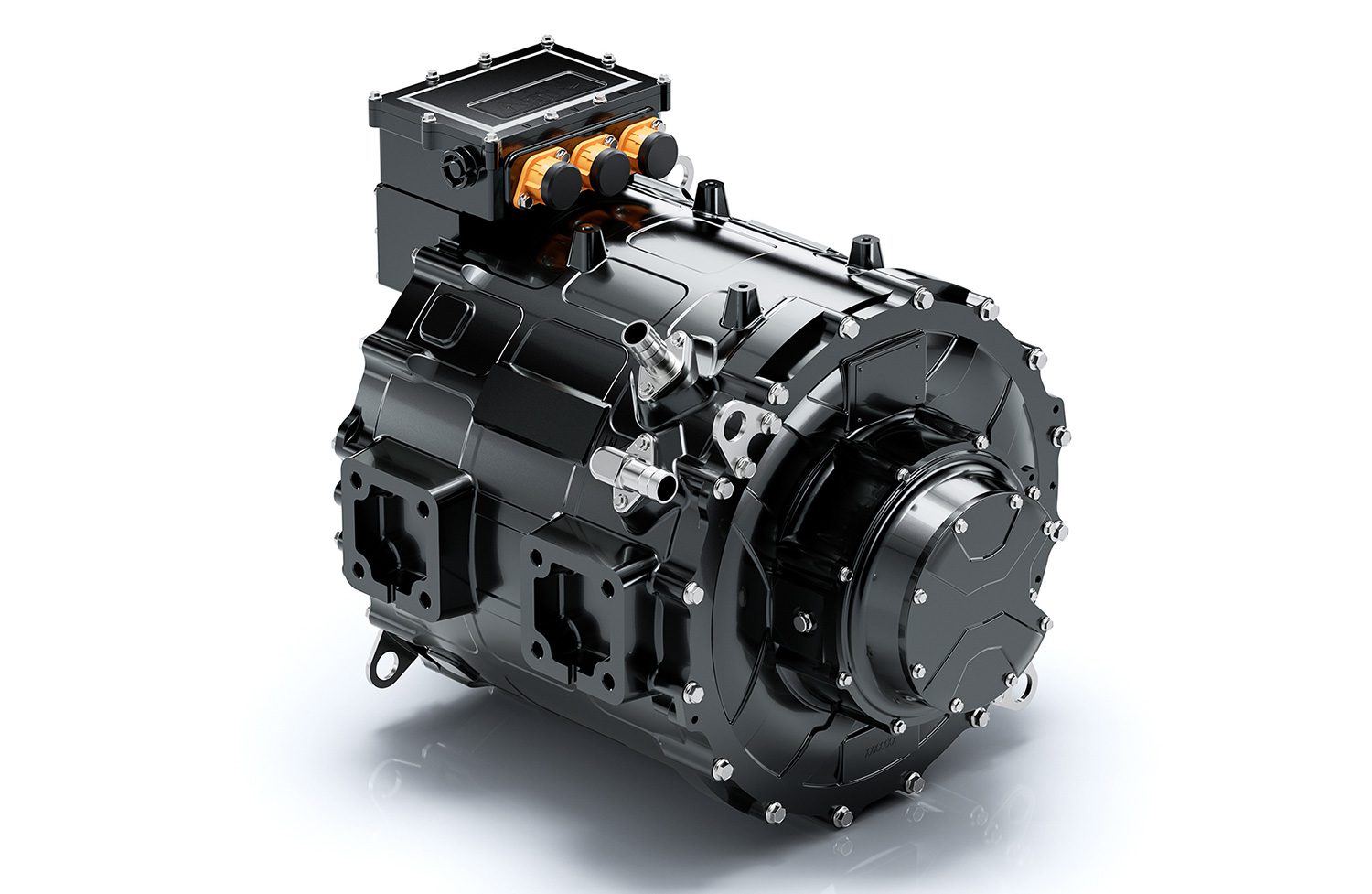
Driventic’s VEDS 1.5 pairs a water-cooled permanent-magnet motor with an integrated inverter for buses and trucks. Credit: Driventic.
Driventic, the commercial-vehicle drive company spun out of Voith Turbo in late 2025, started series production of VEDS 1.5, an upgraded direct-drive electric powertrain for buses and trucks. It pairs a water-cooled permanent-magnet motor with an integrated traction inverter. The heavy-duty version produces 3,100 Nm and 320 kW of continuous power (390 kW peak), and a medium-duty variant delivers 2,850 Nm and 240 kW.
The main change is a redesigned Drive Inverter System that weighs 22 kg and uses automotive-standard connectors to speed installation and servicing. Driventic says the drivetrain meets the ISO 21434 automotive-cybersecurity standard and that it has supplied more than 4,000 VEDS units to vehicle makers to date. It plans to add local assembly in China and the United States.
A production-ready heavy-duty e-drive with an integrated inverter is the kind of building block that lets bus and truck makers electrify without designing the powertrain themselves.