EV Technology Briefing — compiled and curated by Chris Lee
Ganfeng’s 500 Wh/kg cells, autonomous electric semis in Ohio, and software for a stressed grid
Week of May 20–27, 2026
The week ran from the cell up to the grid. Ganfeng started making lithium-metal solid-state cells at 500 Wh/kg. Einride moved autonomous electric semis into real daily freight. And a grid-software startup raised money to handle the load all these vehicles are adding to local distribution networks.
Solid-State Chemistry
Ganfeng starts small-scale production of 500 Wh/kg lithium-metal solid-state cells
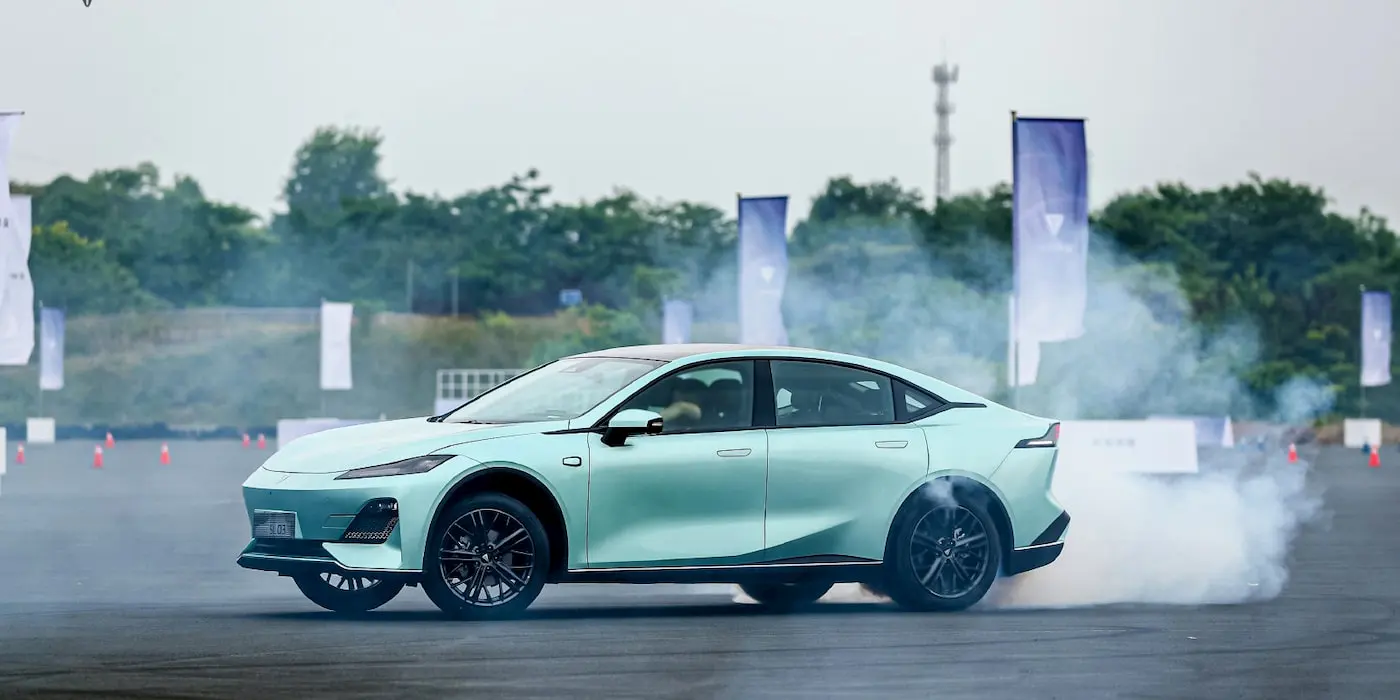
Ganfeng’s 10 Ah lithium-metal cells reach 500 Wh/kg; a silicon-anode variant trades density for over 1,100 cycles. Credit: Ganfeng Lithium / Changan, via Electrek. (File photo.)
Ganfeng Lithium, the Chinese producer that controls roughly 45% of the world’s lithium-metal supply, has begun small-scale production of 10 Ah lithium-metal solid-state cells rated at 500 Wh/kg. A silicon-anode variant lands lower at 400 Wh/kg but pushes cycle life past 1,100 cycles, positioning the two chemistries for different duty cycles.
The cell design leans on a “zero-strain” lithium-alloy anode that expands only 3 to 5% over a charge cycle, which limits the interfacial cracking that normally kills lithium-metal cells, and the pack is rated to survive excursions up to 250°C.
Ganfeng disclosed supply agreements with Tesla, Volkswagen, Hyundai and BMW alongside Chinese automakers Dongfeng and Changan. The 500 Wh/kg figure and the automaker list come from a company investor update, not independent testing.
Einride puts SAE Level 4 electric semis into daily freight runs on Ohio public roads
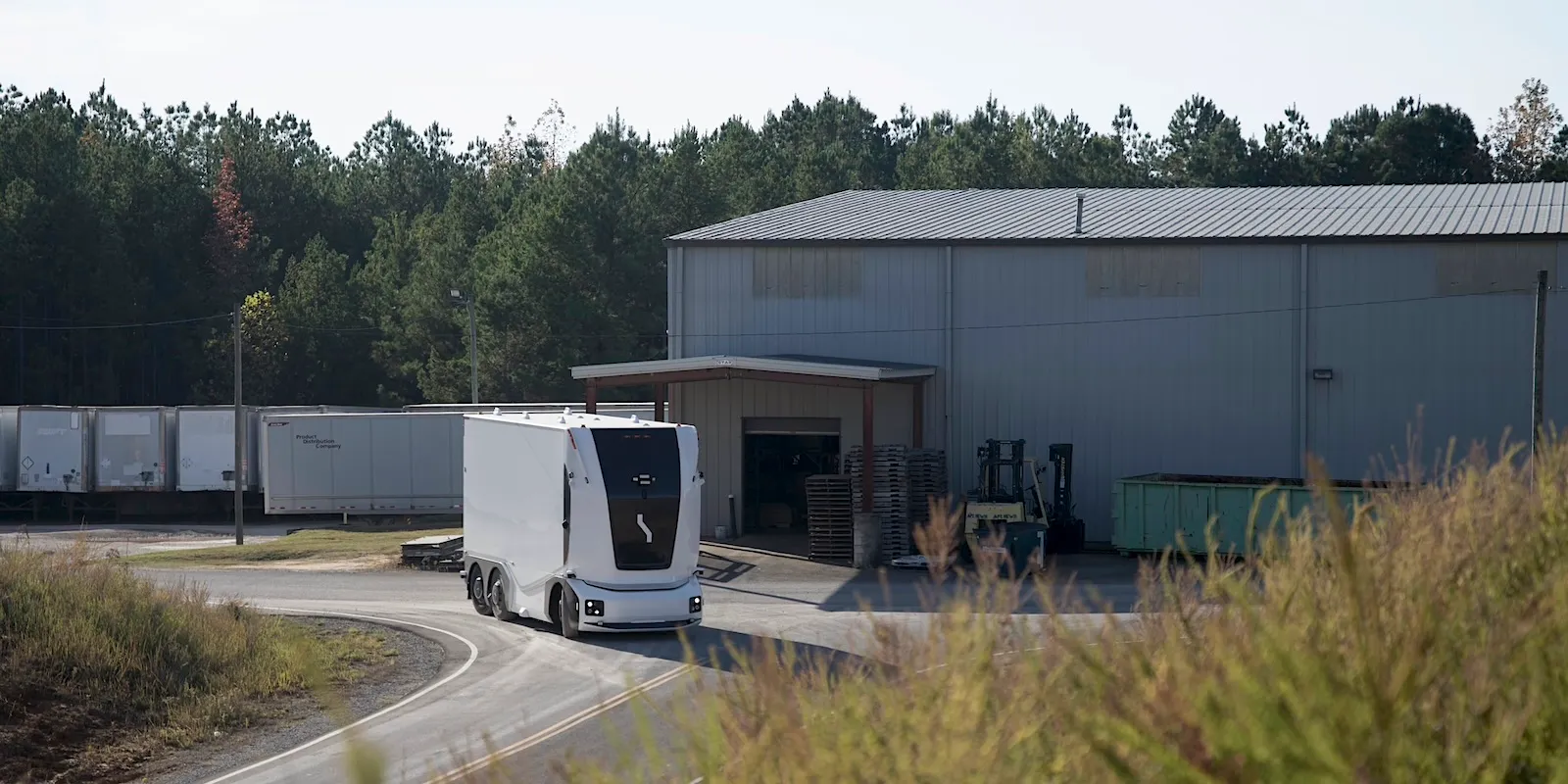
Two Level 4 battery-electric semis now run daily freight between EASE Logistics sites in Marysville, Ohio. Credit: Einride, via Electrek.
Einride, the Swedish autonomous-freight company, is moving two SAE Level 4 battery-electric semis into daily commercial operation between EASE Logistics warehouses in Marysville, Ohio, running on a mix of public and private roads. The deployment sits inside the DriveOhio Truck Automation Corridor Project, coordinated with the Ohio and Indiana departments of transportation, with the daily freight cadence beginning in summer 2026.
Einride frames the move as the payoff of years of closed-course and supervised on-road validation rather than a demo, with the trucks handling revenue freight rather than test loops.
CEO Roozbeh Charli tied the launch to rigorous development and real-world validation of the autonomy stack.
Grid-software startup Texture raises $12.5M to trace charging demand down to the transformer
Texture’s DERMS platform traces meter-level demand spikes to specific transformers and feeders. Credit: Michael Bower / Electrek.
Texture closed a $12.5M Series A (about $23M raised to date), co-led by VoLo Earth Ventures and Equal Ventures, to scale a distributed energy resource management (DERMS) platform aimed at the load that EV charging is adding to distribution grids. The software ingests real-time telemetry from meters, home batteries, EVs, chargers, solar, SCADA, AMI and smart thermostats into one operational view.
Its core capability is detecting sudden meter-level demand jumps and tracing how they propagate to specific transformers and feeders, so operators can act before hardware trips or fails.
Early users include Vermont Electric Cooperative, and a National Rural Telecommunications Cooperative partnership opens access to 850 utility co-ops, with more than 50 OEM integrations covering Tesla, FranklinWH, SolarEdge, Ecobee and WattTime.